1. Describe the issue
Share the location, broad symptoms, and any immediate safety concern with the intake assistant.
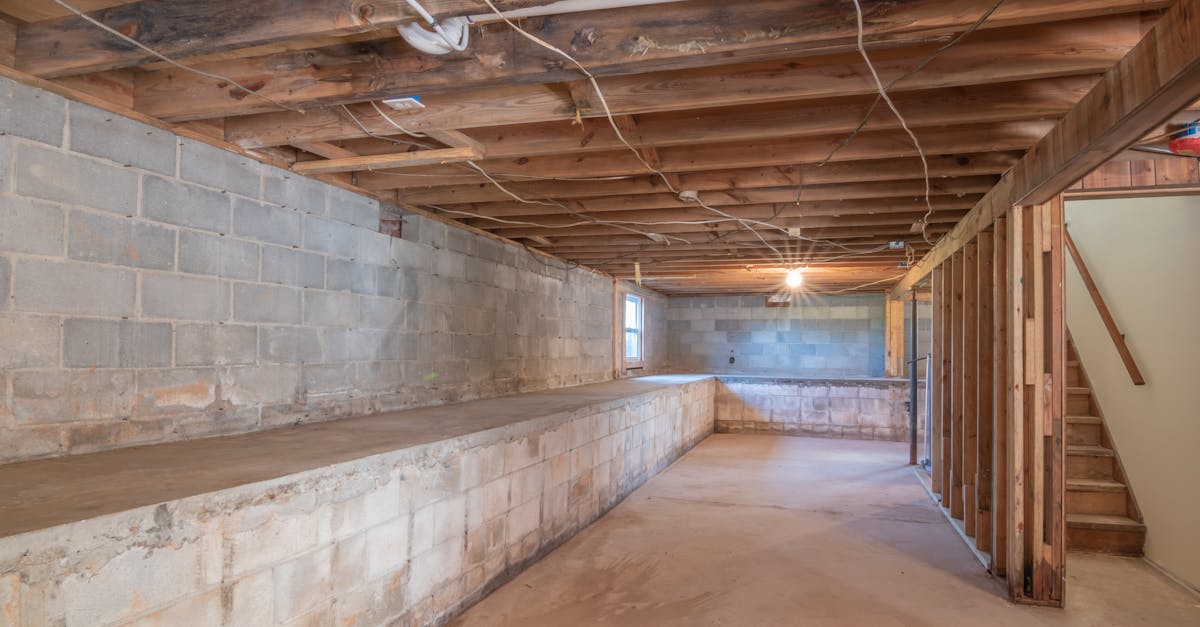
Humidity, leaks, and mold questions — organized. Huntsville homes can face crawl-space moisture, HVAC condensation, and post-storm leaks. This guide helps owners understand remediation scopes and request quotes from local providers when comparing available local options.
An automated intake assistant may collect the location and broad issue, then explain available referral or research options. It cannot diagnose, set a price, schedule a contractor, or guarantee availability.
Two ways to continue: call the automated intake line or send a short request using the form below.
Call (256) 870-0133This independent referral-resource site is not a contractor and cannot diagnose, price, schedule, or guarantee provider availability.
How it works
Share the location, broad symptoms, and any immediate safety concern with the intake assistant.
Use the local guides to document dates, photos, affected materials, and questions without attempting unsafe diagnosis.
Confirm each provider's credentials, insurance, availability, written scope, exclusions, price, and warranty terms directly.
HUNTSVILLE MOLD GUIDE
Local considerations include humid summers, crawl spaces, storm leaks, HVAC condensation, and rapid-growth housing. Review the categories below so you can describe the concern and compare written scopes more clearly.
Prepare for professional evaluation without implying this website performs testing or remediation.
Mold returns when water remains. Compare provider approaches to leaks, humidity, HVAC, and drainage.
Learn what containment, negative air, HEPA filtration, and clearance documentation mean.
Compare vapor barriers, dehumidification, drainage, and affected-material treatment options.
Know when damp drywall, flooring, or insulation may need removal after a leak or storm event.
Questions for buyers, sellers, landlords, and property managers before remediation work starts.
Common situations
These are illustrative situations, not completed projects or claims about a particular provider.
Source tracing questions
Vapor/drainage review
Material removal vs drying
Scope and clearance questions
Start here
Learn which clues matter, what to document, what to ask a mold provider, and which humidity-control items homeowners commonly research.
Educational content only. Shopping links live on a separate checklist page with sponsored-link disclosure and safety limits.
Areas
Nearby communities people often include when comparing providers. Verify each provider’s service area, credentials, insurance, and availability directly.
This website does not inspect, test, diagnose health effects, or perform remediation. Verify all provider credentials directly.
Independent education and quote-request guide only; no remediation, testing, certification, or response-time guarantees.
Guides
Local/niche guides written to help visitors decide what is urgent, what to document, and what questions to ask a provider.
FAQ
Moisture source not fixed, high humidity, damp materials, or incomplete remediation scope.
Compare containment, material handling, documentation, clearance, and source correction—not just price.
No. Ask providers directly for applicable licenses, certifications, insurance, and references.
Call / resources
Calls may be answered by an automated intake assistant and may be recorded or transcribed for follow-up, routing, quality review, and traffic analysis. The assistant cannot diagnose, price, schedule, or promise provider availability. Call (256) 870-0133 for intake.